Marc Jacobs Daisy EDT review: a familiar floral you will want to wear again?
The fragrance, at a glance
Consider original Daisy for a familiar clean floral. Give it repeated wears before buying for novelty, and check whether its later presence meets your needs.
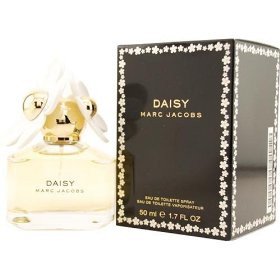
Worth sampling for
- Clean floral appeal for a repeat-wear wardrobe
Pause if
- Initial affection can fade with repetition
- Opening presence may not last as expected
Scent & wear What the evidence suggests
- Scent character
- Classic clean floral character attracts regular wearers; an initially pleasant scent becomes less interesting for another.
- Wear reports
- Fading is a concern in the selected reports. Enjoying the opening does not establish sustained presence through an event.
- Worth considering if
- An established floral style matters more than novelty, and you still enjoy it on repeat wears.
| Brand | Marc Jacobs |
|---|---|
| Concentration | Eau de Toilette |
| Brand positioning | Women's fragrance |
| Documented reference bottle | 100 mL; brand reference, not merchant stock |
Daisy is worth considering if you want a floral you can return to without needing it to surprise you. The buying question is whether familiarity feels comforting or becomes dull. That distinction matters more here than deciding whether the flower cap looks grown-up enough.
Are you returning to Daisy, or meeting it for the first time?
You already enjoyed a bottle
Start by matching the full name and EDT label. Then ask what you actually want to repeat: the scent itself, a memory, or the experience of having a dependable everyday option. A familiar name does not establish that a different Daisy variant will deliver that.
You liked it at the counter
Try it on more than one ordinary day before choosing a large bottle. Write down whether you wanted to wear it again after the first outing; that answer is more useful than repeating the shop’s first-spray description.
In Ulta’s original customer accounts, Stephanie values Daisy’s classic cleanliness without treating it as groundbreaking. Another wearer, under “Nice but got tiring over time,” describes losing affection with continued use. Mary, conversely, intends to repurchase. These are different relationships with the same fragrance, not an age-based rule.
The floral reference behind the name
Marc Jacobs’ feature list pairs berries with violet and jasmine over sandalwood. Its descriptive prose also mentions other accords. We retain the explicit feature list in Specifications instead of stitching every description into a supposed formula. A note is a scent description, not proof of an ingredient or of what will dominate for you.
If your choice is between two flower-capped bottles, the Daisy versus Eau So Fresh comparison explains the documented difference. Original Daisy should not be chosen simply because its name is shorter.
Separate “I like it” from “it lasts enough”
The highlighted positive Ulta account wears Daisy regularly while wanting longer persistence; the critical account describes a forceful beginning followed by a much fainter impression. Enjoyment and satisfactory wear time are separate decisions.
- Check it again at the point in your day when you still want to notice fragrance.
- Decide whether a quiet later scent is acceptable before comparing bottle prices.
- Keep the question about your use: neither a vivid opening nor a high customer average supplies a wear-time guarantee.
What this review can establish
The product identity and reference specifications come from the brand; sensory tradeoffs come from a bounded selection of public wearer accounts. We have not worn or timed this bottle. Retailer ratings may pool sizes and syndicated feedback, and the photographed presentation is not a verified current offer.
Pros & Cons Analysis
Based on public wearer accounts and product documentation
Pros
- Familiarity can be useful. A wearer who values classic cleanliness offers a reason to consider Daisy for regular use. Our reading is that the absence of novelty need not be a defect when you want an established preference to remain central. This does not predict anyone else’s reaction. Customer account
Cons
- A pleasant debut may not become a lasting preference. The account describing later boredom is a reason to include repeat wear in the purchase decision; repurchase intentions elsewhere show that this outcome is not inevitable. Contrasting accounts
- Plan around the later scent. Reports of fading matter if the perfume must remain noticeable through a particular event. They support checking that use case, not assigning Daisy a universal number of hours. Wear accounts
Would Daisy become your familiar favorite?
A Daisy bottle makes sense when its floral familiarity feels welcome on repeated wears. Give the scent more weight than the flower cap, and make sure its later presence is enough for you.
How well do you know this Daisy?
Frequently Asked Questions
Is this the original Daisy or Eau So Fresh?
This review concerns Marc Jacobs Daisy Eau de Toilette. Daisy Eau So Fresh Eau de Toilette is a separate fragrance; check the complete product name when ordering.
Is Daisy restricted to younger wearers?
No age cutoff is established here. Choose according to your own scent preference and intended use rather than demographic labels in customer comments.
Does the review give Daisy a longevity score?
No. Public accounts describe personal experiences, and we have not performed an original wear evaluation. The customer rating is a separate retailer snapshot.
Technical Specifications
| Brand | Marc Jacobs |
|---|---|
| Fragrance reviewed | Marc Jacobs Daisy Eau de Toilette |
| Concentration | Eau de Toilette |
| Brand positioning | Women's fragrance |
| Brand-stated notes | Top: wild berries. Heart: white violet, jasmine. Base: sandalwood. |
| Documented reference bottle | 100 mL; brand reference, not merchant stock |
| Brand reference item | 31655513034 |

Bright Crystal
Bright Crystal is a sampling option for clean floral preferences; neither softness nor the EDT label settles its staying power.
Explore the notes
Yuzu, iced accord, pomegranate; peony, magnolia, lotus; acajou, vegetal amber, musk
Scent notes describe impressions, not an ingredient list.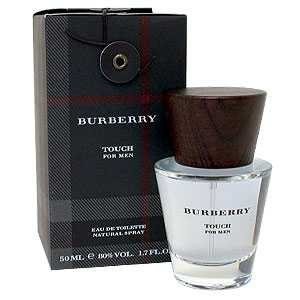
Touch for Men
Sample Touch if clean, powdery scents appeal; be more cautious if you want pronounced projection or dislike pepper.
Explore the notes
Artemisia, mandarin tree, violet leaves; nutmeg, Virginia cedar, white pepper; vetiver, musk and tonka bean
Scent notes describe impressions, not an ingredient list.
Touch for Women
Consider Touch for a clean floral-woody direction, but sample the opening and later scent before expecting a sweet fruit perfume.
Explore the notes
California orange, blackcurrant, dewberry, rose oil, jasmine, Madonna lily, tuberose, peach, raspberry, cedar, oak moss and vanilla (brand description; no inferred pyramid)
Scent notes describe impressions, not an ingredient list.